Category: Clothing

  • New Items for March 22

    New Items for March 2022

    Having so many new lines coming, out for testing, in development I thought it would be good to drop them all in one place. This is about Grizzly Wears new items for March.

    With the countdown to the National Running Show getting close, all of my effort has been diverted towards this. April’s update may be very similar !

    Running Gear

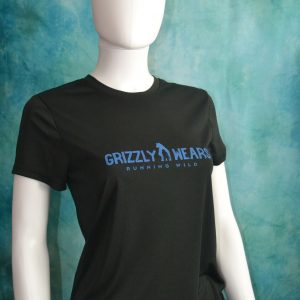
    When the opportunity came up to launch at the Running Show I took it. New items were already being tested and in the pipeline but this has given me a challenging deadline. As I write this the first batch of 100% recycled men’s tees is in production. Women’s will follow directly. Unfortunately I can’t provide all sizes and colours I ultimately want to due to lack of warehouse space so colours will be done on rotation and sizes will expand over time.

    Following on from testing we don’t think Bamboo has the properties required to be used for running. This does not mean our efforts have been wasted. Following on from the tests with Bamboo fabrics we have decided it would make a much better base layer.

    Mountain Bike Gear

    Following on from the running tees quickly, will be a long sleeve 100% recycled polyester top. The cut may not be perfect for riding but it will be an affordable, sustainable, versatile piece of clothing. Being in early development there are no current deadlines or dates but this may be developed through summer and released for autumn/winter.

    Boxer Shorts

    Boxer’s arrive April with production expected to complete this month. Upon arrival they will immediately be added to the website. All of this first batch will be blue with sizes ranging from S to XL. After nearly 5 months in design, prototyping and testing I am nearly there !

    New items for March

    Stay tuned for April’s update. Intention was to update this post throughout the month. I’ve decided now to just leave it to reflect back on. I will use these monthly updates as a way of building up a timeline !

  • The National Running Show 2022

    The National Running Show 2022

    I may have mentioned once or twice that Grizzly Wears will be at the National Running Show South. As a small business and a fresh start up this is a big challenge and a big deal !

    For those of you who have not booked your tickets yet, head over to https://nationalrunningshow.com/south and use the code GRIZZLYWEARS at checkout to get your tickets free of charge. It would be great to see you there so come over, say hello, buy some of our awesome sustainable clothing and support me. Help me make the most of this show and lets have a great couple of days. I will be there all weekend, right by the main stage.

    On with the Show

    When I booked the stand at the show, I definitely was not ready or prepared. As I write this there are only 64 days left before showtime. The last few weeks have been extremely busy. But I am on track. Being a fresh start up working on a new range of sustainable running clothing there was nothing in stock. There still isn’t on my website. On the plus side, the men’s t-shirts are being made as we speak. Boxer shorts are being made and will arrive on time. Women’s t-shirts, vests, and a couple other items have a slot booked in and will be here. I’m not entirely sure how I pulled this one off but now I have headroom and can relax a little.

    Furthermore, as a business that has nothing this is a big challenge, I need transport, hotels, helpers and all important stock. There is no experienced events planner here leading me to believe there will be a lot of lessons to take from this show. Either way I intend on making the best of it and hopefully doing a few more !

    What will Grizzly Wears have at the Show ?

    Grizzly Wears Clothing will have:

    • Men’s Boxer Shorts !
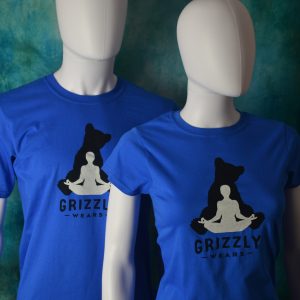
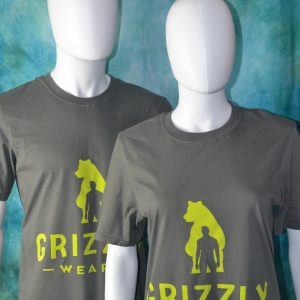
    • Men’s and Women’s running tees
    • Women’s racerback vests
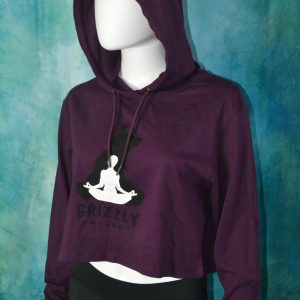
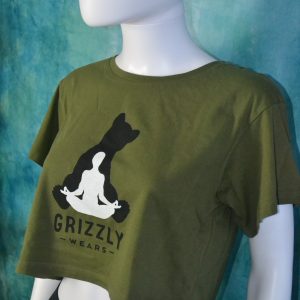
    • Women’s crop t-shirts and hoodies
    • Some cotton t-shirts

    This is what I hope to definitely have available. I will try and think of some exciting competitions that don’t get me into trouble too. The last part of that sentence is the bit I am struggling with.

    Updates

    7th March

    Getting closer and closer, time is ticking away now. But definitely on track, Men’s products to be printed soon. Women’s are due to be ordered this week. I should definitely put some effort into making the show stand !

    15th March

    Waiting for first batch of clothing ready for the show, this will go live, test stuff has been sent to testers & ambassadors. still have that to-do list to blow through. Yesterday was busy busy. Today, I’m getting hydrated and going for a quick morning run to gain that productivity boost.

    Women’s stuff all here and in preparation.

    4th April

    So… I completely lost track of time and forgot to update this weekly !

    It has certainly been a busy few weeks. We have our men’s recycled running tees available, women’s is in progress. Boxers are in transit. I have loads of freebies and promo items ready for the show. It seems like times is getting tight but I am definitely on track. Most things are all in place and ready. I definitely need to make a stand though !

    18th April

    With less than 3 weeks to go I feel I am nearly there now. Everything is ordered and/or in transit. The show must go on !

    Somehow I feel like I have pulled back a little time and can relax a little. I definitely need to take a few more photos of items and get them put on the shop. Hopefully I can get round to this week. Currently I am waiting on other people getting things here on time so most things are out of my hands and I just need to remain positive. I’ll do this by running and riding in the nice weather.

    27th April

    Into the last 2 weeks before the show, 1 week before we need to start packing and getting ready to head down… I am very nearly ready, pulled everything I can think of together. Few final touches to things and some sorting to do but we should be ready to arrive and give 100% on the day. Fingers crossed nothing goes wrong, I definitely need to get organised and get the counters finished. This was well underway at the weekend but I found some ducklings and had to rescue them so got a little behind. I’ll make the time up this week, get back on track and maybe even have some time to sleep.

    30th April

    One week today… I really need to get on with finishing everything off, thankfully the weather is sunny so I can get out and do some painting. All there is to do then is label everything, organise where it goes and load into van accordingly. I haven’t injured myself running or on the bike so just need to not do that now. I am totally on track for once. Hopefully no more wildlife in need of help turns up today. I believe everything is in hand and we will get to this show with everything in order and kindof planned for.

    If you see me at the Running Show, come and say hello. Hoping it will turn out to be a great weekend and although it wouldn’t be the worst thing to be rushed off my feet the whole time, it would be nice to see some more of the show. Later this week I will remove all stock from the website, If you wish to order anything online, now is probably the time.

    If you can’t make it to the show, here are the latest products which are available to buy in my online shop now:

    I will definitely add to this blog as the countdown to the show gets closer. And finally, there will be some awesome guides to running for you to read in the run up !

  • Best Running Clothes for Sweating

    Best Running Clothes for Sweating

    We all sweat, there’s no hiding or denying it if you’re working hard enough. So what are the best running clothes for sweating ?

    To put it simply, sweating is your bodies way of getting rid of excess heat. The longer and harder you push yourself, the more heat you need to get rid of. Essentially, longer and harder means more sweaty (Yes – I am well aware of how that reads !).

    Generally you want clothing to accelerate your bodies ability to get rid of this heat. Any sweat needs to be soaked up by your clothes and pulled away from your skin, taking the heat with it. Furthermore the clothes need to dry quickly and get rid of the sweat they have soaked up. These two factors make up what we call “breathability”. This is how your clothing gets a cooling effect. On the other hand is this the effect you want all the time ?

    How much should clothes breathe ?

    This is a difficult one. We assume that more breathable is better but it does not always work that way in the real world. Firstly the temperature can play a huge part in how much breathability is right for you. Secondly, we aren’t all equal and some of us sweat more than others. On the other hand remaining dry is definitely an advantage, especially at colder times of year. Some fabrics do retain heat better when wet and if you sweat heavily in winter, these are not a bad choice.

    Which fabrics breathe best ?

    Polyester. The undisputed champion of that near perfect balance of breathability. In a virgin state this material is far from sustainable. However, I strongly believe that recycled polyester is a great tool for tackling climate change. You can have all the advantages of virgin polyester and make use of otherwise waste materials. Be sure to check out the recycled range in my online store !

    Bamboo is an intermediate fabric. It wicks well but does not dry so quickly. On the other hand it does retain heat well when wet so if you are considering running in cold weather and taking a few breaks, this is not the worst choice. When used as a base layer underneath another garment it does seem to stay warmer, reduce chafing and further insulate.

    Sheep’s wool is often disregarded as a performance material but does have some fantastic qualities. Not only an insulator but also an effective regulator of body temperature. This material retains heat very well, even when wet. I am yet to do some testing with this material but it is something I would be looking to use in the future.

    Running Clothes for Sweating in Summary

    Often running clothes do come down to personal preference. What works for one person may not work for another. One day something may work well for you and another day it may not. Weather does play a huge role but I would recommend recycled polyester for its fast drying in most conditions. Cotton is the fastest drying natural fabric but it doesn’t retain heat when wet and doesn’t dry fast enough for this to not be an issue in my experience.

    Give our recycled polyester range a try. It is soft, smooth, hard wearing, quick drying and each T-Shirt diverts 8 waste plastic bottles from landfill and into a circular economy !

  • Most Sustainable Materials for Clothing

    Most Sustainable Materials for Clothing

    In this Post, I will try to explain my view on the Most Sustainable Materials for Clothing. 

    My definition of sustainable clothing is not the simplest. When starting Grizzly Wears I thought this was a simple yes/no statement but could not have been more wrong. It seems for every positive there is a negative. This lead me to look at sustainability as a balanced scale, not a tick box. 

    Likewise, when Identifying potential new fabrics it is important to assess the good and bad impacts. Looking further across an entire range enables you to balance these impacts. For example cotton requires land to be grown on, recycled polyester does not. By using these fabrics to their best application it’s possible to counteract the bad and maximise the good. This is my theory anyway !

    Lastly, it is difficult to fully assess where manufacturers are along this balanced scale. Good, internationally recognised certifications are a start. Sometimes words and phrases are used in a broad term and although partly true, can be stretched to fit. Despite having clearer labelling than ever, it is still not perfect. Let’s get on with it… 

    What makes a fabric sustainable ?

    Firstly we will look at good properties. Lets start with positives and see where we go. 

    In order for a material to be sustainable it should come from a renewable source in strong supply. Materials which can be grown are good. These can be renewed and farmed to meet demand. Waste due to go to landfill is also a good source. Preventing more landfill waste is a great achievement. Coupled with closed loop production this is an ideal way to create sustainable materials. Infinite recycling.

    Not wanting to go into too much into the details as I have covered this in other blogs (and it’s likely I will again). These are the key things that make materials sustainable from a certain point of view. 

    Social factors also play into making sustainable fabric. Looking at fair pay and treatment of workers is also important. This is where good accreditations for responsible sourcing comes into effect. 

    What makes materials unsustainable ?

    This is the decisive part. The part to make you think more. 

    Often considered to be sustainable, farming on an industrial scale can be harmful. When clearing mile after mile of natural land to farm raw materials for fabric on a large scale, it is harmful to the environment. Animals lose their homes. The eco system is disrupted. Shifting towards recycled materials is how we can counteract the effects of large scale farming to some degree.

    Materials produced from non-renewable sources such as oil are not sustainable. There is a limited supply of oil and it’s being used at far greater rate than can be replaced. However, the last thing we should do is discard everything made of plastic. Again this leads to recycling. 

    Why is sustainability important ?

    I did believe “you can’t stop a force of nature” for a long time. Now I think with modern technology this is an achievement we should not have tested. Being in the UK we take our climate for granted. Furthermore we are protected by the gulf stream from most extreme weather. The gulf stream is now at its weakest state in recorded history. Losing the benefits we get from this could be catastrophic. I have read that we may only have 20 years of the gulf stream left and once the effects are lost they may never come back. 

    Everything we can do to reduce our impact during our time on this planet is important. The world can go on without humans, but not bees. 

    The Most Sustainable Materials for Clothing

    Here are the ones I like in a list, in no particular order

    • Cotton (Organic is better)
    • Bamboo
    • Recycled Polyester (Anything Recycled for that matter!)
    • Hemp
    • Linen (Flax)
    • Wool

    This is a summary and not a comprehensive list by a long way. Fantastic work is being done by dedicated people to create more innovative sustainable materials. A lot of these are utilising what we already have such as waste from industry or farming. This is the way.

    Finally, If you loved this article, support Grizzly Wears in identifying the best materials for their applications. Buy Sustainable Clothing 

  • Vegan Alternative Fabrics

    Vegan Alternative Fabrics

    Firstly I would like to be honest, I am not vegan. Although I eat little meat, I do still eat it from time to time. This blog about Vegan Alternative Fabrics is written from the point of view that labelling something vegan, doesn’t mean it is good for the planet. The two statements are not mutually exclusive. In addition this is why I have chosen currently not to display “Vegan Friendly” logos. These types of logos are licenced and do have to be paid for. It seems to me like they are not always used appropriately.

    With some products being based on materials such as acrylic they are vegan. Acrylic is a cheap, single use plastic which is an alternative to wool. It is definitely not environmentally friendly. I feel as though using vegan labels on acrylic products is greenwashing. The aim being to distract from the problem by highlighting an unrelated benefit. In my opinion the vegan label should be used on products made from sustainable alternatives to traditional fabrics that would be produced from, or using, animals. When listing items on my store, I will highlight whether something is vegan for clarification. Lastly, adhering to strict guidance around sustainability means most Grizzly Wears products are vegan friendly.

    This list will probably expand over time and I will add to it as I discover new materials. To get off to a start, here are some of my top Vegan Alternative Fabrics…

    Cotton

    Lets get this out of the way. Fair Trade and Organic cotton is the best but cotton is fairly good anyway. Naturally growing as a fibre and requiring little processing makes this a top choice. Organic farming does make all the difference when it comes to true sustainability.

    Tencel/Lyocell

    This fabric is made from wood cellulose. It produces a soft, smooth fabric which can be used for a large number of applications. Tencel produced using closed-loop technology meaning chemicals and water are re-used and not released into the environment.

    Hemp

    Natural and biodegradable. Hemp is often blended with other fabrics and has no need for pesticides to grow. This makes it ideal for organic farming. It is breathable, cool and antibacterial.

    Soybean fibre

    Free from petrochemicals and entirely biodegradable. Having properties of Silk and Cashmere makes for a great, versatile fabric. it is commonly used as an alternative to wool.

    Linen

    Requiring no chemicals at all this is absolutely a good choice. Linen is durable and gentle on the skin.

    Pineapple Leather

    Alternative to real or vegan leather. This is a great innovation made from left over pineapple farming waste. Furthermore, no PVC is involved, making it sustainable and better for the planet.

    Woocoa

    An innovative material created from coconut, hemp and oyster mushrooms. Not widely commercialised but an important development. Woocoa is a wool like fibre.

    Bamboo

    If you’ve read any of my other blogs this is probably no surprise. Bamboo can give some fantastic properties. Try to stay clear of Rayon which is the most chemical intensive form. Bamboo is softer than silk but stronger than steel.

    Recycled Polyester and Nylon

    Also probably no surprise to readers of my other articles. This diverts waste from landfill and uses significantly less energy to produce than virgin fabrics. Lastly, Nylon and Polyester can be recycled again, creating a closed loop eco system.

    Vegan Alternative Fabrics in Summary…

    To conclude, there are many great vegan alternative fabrics either available now, or in development. Over the coming years we will definitely rely more on these. Great innovations will come to the market. Importantly we will see less reliance on plastics. Transitioning to more eco friendly vegan fabrics is a great thing. As a brand, Grizzly Wears will be testing some of these fabrics to put into clothing. Furthermore, as a consumer you can look for some of these fabrics. Increased demand means production will have to catch up. Lastly please be wary of greenwashing. Greenwashing hides problems and does not move the industry in the right direction.

    Thank you for reading and I hope this was of some use. Likewise if I have raised a little awareness this was worth the time to create. Above all I like to highlight there are people working hard to make a difference and be innovative.

    Finally, if you find my blog useful, support me on my quest by buying a T-Shirt or checking out my products.

  • Affordable Sustainable Clothing

    Affordable Sustainable Clothing

    Sustainable clothing is a fairly recent consideration. To make clothes affordable they are generally cheaply sourced materials and mass produced. This means affordable sustainable clothing isn’t always easy to find.

    Current manufacturing methods have evolved to be financially economic. Until recently, little concern was given to the damage caused. In the 1960s sustainable clothing became a concern but not for most people. Sixty years later and hopefully not too late, sustainable clothing is becoming an increasing concern for more people.

    What makes clothing Sustainable ?

    Firstly, truly sustainable clothing is a rarity. For clothing to be entirely sustainable it must be made of a material that has little risk of running out. Cotton and bamboo make great fabrics and help tackle the problems, as do recycled materials. In other posts I have gone more in depth about sustainability and use of these fabrics. I will keep this brief and avoid repeating myself through each article.

    To me, sustainability is balancing positive use of all the resources we have to reduce any negative effects. This means responsibly using what we already have. Making use of waste materials. Utilising natural fabrics which can be regrown.

    Lastly, buying longer lasting clothing and keeping it for longer has a huge impact. Making your clothes last and then recycling them rather than sending them to landfill is what you can do as a consumer.

    What makes Clothing Affordable ?

    To produce affordable clothing, manufacturers take steps to remove cost. This can include use of cheaper/less sustainable materials.

    Today there are a great number of very cheap clothing stores. Price does not always reflect quality or sustainability though. Some very good brands make exceptionally good products, the cost is not excessive and they are sustainable. However, you can also pay a high price for something unsustainable and cheaply made.

    Affordability is key to effectiveness of sustainable clothing in tackling climate change. Not only does the clothing need to work but it should be at a price where it can be adopted on a level that has an impact. High prices turn people towards cheaper, less sustainable brands. Making a handful of sustainable products with a very high price tag does not help. More people buying more eco friendly is better than one person buying the most sustainable product. Sustainability needs to be looked at on a global scale, not a single person basis.

    How can I find these Clothes ?

    Firstly, brands carrying good accreditations is a good start but not always definitive. Be mindful that some brands will not always be entirely clear about where they source. As a rule of thumb, look at what fabric the products are made from. With a little research you can find what is and what is not sustainable, some of these will definitely surprise you !

    Try to look at the bigger picture of sustainability. A lot of businesses now will offset Carbon footprint by planting trees. Offering recycling services is another great benefit. Being a small business it is hard for Grizzly Wears Clothing to commit to these but I am in the process of exploring these options.

    As for affordability, it comes down to what you, as a consumer are willing to pay. What is sustainability worth to you ?

    Lastly, we will all have to move to more sustainable clothing in the future. And learn better habits. Why not make the change now.

    This was a difficult topic to cover briefly. Keep an eye out for more in depth articles exploring this. If you like what I am doing, support my brand and buy one of my sustainable T-Shirts at an affordable price !

  • Sustainable Running Clothes

    Sustainable Running Clothes

    Leading up to the launch of my sustainable running clothes, I thought it would be good to explain a little more about them.

    Clothing intended for running tends to demand highest performance. For this reason I chose to start with running. Knowing that products not meeting my standards could likely still be used elsewhere in the range.

    A market need

    Looking at the current ranges of running clothing, it is hard to find items I would call truly sustainable. Many brands have sustainable ranges of “up to 50% recycled material”. To me this says “At least 50% unsustainable”. I don’t mean to be overly critical because some level of recycling is better than none. Some of these brands have been pioneers at developing technical clothing to the level it is at now. They deserve credit for that. What if I could increase the level of sustainability and retain performance.

    If a plant existed that grew like bamboo, was as easy to process as cotton but had the balanced properties of polyester this would be an easy task. Everybody else would be using it already. To my knowledge such a plant does not exist and so it was back to the drawing board.

    Polyester is the closest we have to perfection in terms of performance. The majority of clothing for running is made from polyester because of this reason. Virgin polyester is a harmful material. Firstly, being an oil based product it is inherently unsustainable. Polyester does require extensive energy and resources to be produced. It is also typically a single use plastic.

    What about Natural Fabrics ?

    There are some fantastic organic fabrics available. Each has their own characteristics. On the flip side, something is not sustainable just because it is grown. A plant growing in nature is different to the ones farmed for industrial use. When farmed, plants have often been selectively bred to give certain qualities. Furthermore it takes a lot of land to produce enough. Soil is losing it’s level of fertility leading to fertilisers becoming a necessity in farming. This is due to the same land being repeatedly farmed. In addition most crops require pesticides. Not great for the environment or local insects. And lets not forget bees !

    Bees are a species that the world could not survive without. Reducing use of pesticides and making more land available for bees is a good thing.

    Bamboo is a great crop. Requiring no pesticides or fertilisers make it much more eco friendly than some others. Soil erosion is helped by bamboo and it requires very little water. Consuming more CO2 than an equivalent plantation of trees is just another advantage.

    Producing bamboo viscose does however have disadvantages of requiring chemicals to break down fibres. The effect of these chemicals has not yet been studied in depth and therefore it is important to only source bamboo fabric from the most responsible suppliers. Lyocell bamboo replaces the chemicals with a mechanical process to break down the raw bamboo into fibres. This is a long and energy intensive process.

    Lastly there does not seem to be a natural fabric which does stand up to the performance of polyester clothing.

    Fabric Testing

    Refusing to accept virgin polyester as the only solution to make running clothes from I decided to test a number of other fabrics.

    Bamboo feels great against the skin, its biggest downfall is that it does not dry fast enough and holds on to sweat. Cotton is the fastest drying natural fabric. It still does not dry as fast as polyester and lacks a lot of the qualities of bamboo.

    By blending cotton and bamboo the result is still compostable and non toxic. Is this the simple solution I was looking for ? No. It is impossible to take the quick dry time of cotton and add it to bamboo to produce a fabric that ticks all the boxes. By mixing the two you end up with a compromise between them. This type of fabric although has benefits of both natural ingredients, carries the negative attributes with it too.

    I tried very hard to find the mythical easy to grow, easy to process plant that produces the best technical fabric. Unless somebody knows otherwise, I can confirm it is not real.

    After testing cotton, bamboo, combinations of both there is only one solution left. Refusing to blend natural with man made fabrics also means I cant combine polyester with bamboo. On the outside this seems like a good solution. The reality is a fabric you can not recycle and is not biodegradable.

    And the best Sustainable Running Clothes are…

    Recycled polyester !

    The best sustainable running clothes currently are made of 100% recycled polyester. Here are a few reasons why:

    • No Land is required to grow it
    • Water, Pesticides, Fertiliser are not required
    • 79% less energy is required than producing virgin polyester
    • Waste is diverted from landfill
    • Being 100% recycled polyester means it can be recycled again
    • All the properties of polyester are inherent

    It seems obvious when you know the answer. Because of this the Grizzly Wears Clothing current running products will be 100% recycled polyester. I will continue looking for alternative solutions. I have picked up and identified uses for other fabrics along the way. Polyester is a hard fabric to replicate. To conclude, this is why I chose to use it. I believe it belongs as part of a balanced range.

    Finally running clothing has many demands. Performance is number one. To create a successful range of running clothes the level of performance must not be compromised. By maintaining this and adding an aspect of sustainability we have created sustainable running clothes that are usable and sustainable.

  • What are the best Running Clothes ?

    What are the best Running Clothes ?

    Have you ever wondered what the best Running Clothes ?

    There are a number of key points when selecting the optimal clothing for running. These include performance, comfort, breathability, drying time and a few others. Briefly I will try to cover as many of these points as I can and give my point of view as a clothing designer.

    Firstly, I will be upfront and honest – I am not a good runner. I run slowly, cross country and get enjoyment from doing it but an athlete I am not.

    Performance

    Firstly, performance comes down to the properties of the fabric. Developing products for Grizzly Wears Clothing has given me opportunity to test many different fabrics. Some fabrics work better in different environments, different temperatures. All fabrics are not created equal. Although I like to use natural fabrics as much as possible, there does not tend to be a natural fabric that ticks all the boxes when it comes to running. Polyester is great in this application and the good news is it can be 100% recycled.

    Polyester is fast drying, wicking, breathable. It is the go to fabric for most sportswear for a reason. By using recycled polyester over virgin polyester it is also sustainable. All Grizzly Wears polyester products are made from 100% recycled polyester. The main advantage is that it can be recycled again. When polyester is blended with other fabrics it can not be recycled.

    Overall performance can also be measured on some of the other key attributes I’m covering. Running is an activity that demands a high overall level of performance from the clothing you are wearing.

    Comfort

    The most important factor. If clothing intended for running is not comfortable then it is no good. While the cut of the clothing can affect comfort, this again comes down to the fabric. softer, smoother fabrics are much better for running as they move with your body and glide over your skin. As a rule of thumb you should not be conscious of what you are wearing to run in, it should feel natural and unrestrictive. Providing a level of freedom !

    When comfort fails, so does your pace and stamina. There is nothing more demoralising and distracting than a piece of clothing causing irritation. Especially shoes, the best thing you can do is find a good local running shop who know what they’re doing and get the most comfortable pair of shoes fitted. I thoroughly recommend On Running for shoes. Personally I find them very comfortable but remember I put my feet inside them, not yours. You need to find the shoe which is best for your own feet.

    Socks do play a part but not as critical, your socks should allow movement (but not too much) of your feet inside your shoes without causing blisters. I like to run in shorts but haven’t really found they play a huge part. Definitely not as important as your underwear. Grizzly Wears Boxer shorts are perfect for me when running, they don’t ride up, they don’t chafe. Check out my Boxer Shorts

    Lastly is the top. This does seem to play a huge part in maintaining your core temperature. Remember you don’t want to be too hot or too cold. You need to find the goldilocks zone when layering and selecting long sleeves or short sleeves. The top you are wearing should enhance your bodies own ability to heat or cool.

    Breathability

    Breathability is how much air can get to your skin. You would not want to run in something like a bin bag because it would become very sweaty, very quickly. This will ultimately impact your level of comfort. 

    Bamboo is a great fabric against the skin as it is so soft and smooth. The downside is that its not fast to dry. However it stays warmer when wet like wool. Cotton also tends to get cold quickly when wet.

    Known in the industry as “Moisture vapour transmission” this is a very important characteristic of running clothing. When it comes to T-Shirts there is one clear winner of all the fabrics and that is Polyester. In terms of breathability it wicks and dries at a fantastic rate. Competing with this engineered fabric using only natural materials is a tough challenge. Although we strive to use renewable sourced fabrics in our clothing, we have not found the right balance to compete yet. By using 100% recycled polyester we reduce the environmental impact, have an infinitely recyclable product and also reduce energy usage. 

    For these reasons Grizzly Wears Clothing’s range of running gear currently uses 100% recycled polyester. This allows us to match the performance of most clothing but produce a product that is sustainable and does reduce environmental impact.

    So, What are the best Running Clothes ?

    The best running clothes are the ones which you feel comfortable and free. Breathability, Comfort and overall Performance play a huge role in best sportswear. We fully understand performance is the key player when it comes to running gear and will be investing time and money into researching alternative fabrics to launch new ranges. Having a focus on balanced environmental impact mean recycled polyester will remain in our range for years to come.

    To summarise, the aim of the clothing is to maintain the correct temperature. Be light, breathable and comfortable.

    Lastly running clothing should be durable and last as long as possible. Good quality clothing, kept for longer is a big part of sustainability. Running clothing should last for many runs and not be a disposable item.

    If you found this useful, be sure to check out the other articles in my Blog.

    And if you really love this, have a browse of my products
  • What is Sustainable Clothing ?

    What is Sustainable Clothing ?

    Many people wonder what Sustainable clothing actually is. I may have a different definition to a lot of people but in simplest terms:

    Clothing made from renewable sources with little social and environmental impact

    There are several key words in this sentence that help to define the sustainable elements of the clothing. Firstly “renewable”, indicating that the raw material must be able to be regrown or recreated. Secondly “social” in reference to the impact on the people involved making it. Next “environment”, the area and ultimately the world. Lastly “impact”, the often negative side effects related to production.

    Sustainable clothing and products for that matter, should be made entirely of renewable materials where possible. There is definitely a scale of Sustainability and it is not always as clear as you initially may think. I have learnt many things through research and development of the Grizzly Wears Clothing brand. All materials have their positive and negative attributes. These attributes may be related to production or performance. Identifying as an outdoor/sportswear brand means that my products have to meet a certain level of performance. Traditional technical fabrics such as Polyester and Nylon carry a certain level of environmental impact…

    … Or do they ?

    There is no denying the impact of oil-based fabrics. Fabrics produced this way are not sustainable. They do require energy and resources to be produced, they are not biodegradable. However these fabrics are recyclable. When clothing reaches the end of its life it can be turned into pellets. These are used to produce more clothing. This is a Closed Loop or circular ecosystem. It isn’t perfect yet and requires new material to be added during the recycling. It does make use of waste products normally destined for landfill. Preventing waste going directly to landfill is good. Recycling that item to give it another life is great.

    Utilising recycled polyester over virgin polyester reduces energy consumption by 79%. Requirements for raw materials are reduced. Waste bound for landfill is reduced. Furthermore, less land is needed to farm organic materials. These are all great benefits to fabrics which, at first glance, seem unsustainable.

    organic fabrics, grown in nature

    So why use organic fabrics ?

    Natural fabrics are naturally more sustainable. They are biodegradable, reducing the need to recycle. On the down side they do require land, water, pesticides, fertilisers to grow. Due to over farming the soil is running out of nutrients to grow plants further creating need for fertilisers. These fabrics have certain performance qualities related to what they are made from. Often inferior to man made fabrics.

    Cotton is a fantastic material. It is biodegradable. It is comfortable. The human race has a 7000+ year history of producing cotton. Also recyclable. Cotton is the fastest drying natural fabric. I doubt anybody reading this does not own clothing made of cotton. Properties of cotton make it great for every day wear and light sports. When used for long, high intensity cotton does have limitations. This is where making use of recycled polyester becomes applicable.

    Bamboo also has great properties. There are two main types of bamboo fabric, the difference being mainly related to production. When raw bamboo is broken down via chemicals we get Bamboo Viscose. On the downside the impact of these chemicals is not fully understood. They can harm the environment or workers when proper care is not taken. Bamboo Lyocell is refined by mechanically breaking down raw bamboo. This method reduces need for harmful chemicals.

    When comparing cotton with bamboo fabric we need to look at the overall picture. Bamboo requires more refining. Cotton requires more resources to grow. Choosing a winning fabric between these two is difficult. Each has good qualities for certain use. Bamboo and cotton as raw materials are sustainable and renewable. They both need land to be grown. Cotton needs more land, more water, more fertiliser and pesticide. Most importantly, a balanced approach is the best way to view all fabrics.

    Can you mix fabrics to be sustainable and high performance ?

    Yes, and no. Firstly, mixing two natural materials will result in a biodegradable material. Secondly mixing a natural material with a man made material will result in a fabric that is not biodegradable or recyclable. Finally, mixing two man made fabrics means they can no longer be recycled.

    Aiming to produce products that are sustainable means we can not use blended fabrics unless both are biodegradable. There are a lot of brands who do this because it does give desired results. As a brand aiming to make only the most sustainable clothing this is something we can not do. If technology is developed to allow these fabrics to be recycled we will look towards using them. As far as I am aware this is not possible.

    So what is Sustainable Clothing ?

    Sustainable clothing is a balanced approach taken with an open mind and research.

    In conclusion, Grizzly Wears Clothing is built on honesty and balance. By identifying the qualities needed by an item of clothing, I source the appropriate fabric. If I can not make an item sustainably I will not make it at all. Lastly every fabric is chosen for its properties and environmental benefits.

    Grizzly Wears only gets one go at being a brand that never made an unsustainable product. By sticking to high sustainable, ethical and environmental standards I hope to lead the way. I see the way forwards as balance. Use all the technology we have to recycle and sustainably produce better clothing. Being transparent and giving the consumer facts about what I choose to make clothes from rather than only providing benefits to let people make a fair, balanced decision.

  • Are Sustainable Clothes Really Sustainable ?

    Are Sustainable Clothes Really Sustainable ?

    After spending a lot of time looking into sustainable clothing, I will give my answer to the question, Are Sustainable Clothes Really Sustainable ?

    Influencing the overall sustainability are a number of key factors:

    • Social
    • Ethical
    • Environmental

    I may write something later that looks into each of these key factors (and others) separately but for now I will try to keep this simple. I will try to give a good overall picture of my own view of current sustainable clothing based on my experience.

    The degree to which something is sustainable is not always a simple, Yes/No answer. Firstly the phrase “Sustainable” is not always used equally in marketing. Many brands/shops will claim a level of sustainability that is not accurate.

    Green fields and blue sky
    Green Fields and Blue Sky

    What does “Sustainable” mean for consumers ?

    At a consumer level, customers should be able to believe the marketing they are told. Although product descriptions are more accurate now than they have ever been there is still a level of discrepancy. Some of this is an honest mistake. However, “Sustainable” has become a marketing buzz word for some businesses. I am not going to name and shame other people’s livelihoods but I will give credit where it is due.

    Even with clear definition there is a certain amount of interpretation and difference of opinion. Furthermore, there are no regulations around use of the term “Sustainable” in marketing. In America you can not market a product as “made in America” when it was manufactured in China. However, there are no limits to claiming a product is sustainable although it contains single use plastic.

    As a consumer, what do I need to do ?

    As a customer you should take a sceptical approach to sustainable products. Don’t be afraid to challenge sellers about the claims they have made. If there is any substance behind the claims they should be able to back them up. If you want to be more responsible as a consumer, you do need to be wary. Try to educate yourself on materials and their impact. For every article you read claiming positive features there will be one claiming the opposite. Adopting a balanced, educated view and seeking better products is how we can address this issue.

    Importantly as a consumer, the most critical thing you can do is buy less and make clothing last longer. Recycle your clothing, give it to charity. Utilising the clothing you buy for as long as possible and then giving it a second life will have great impact.

    Sunrise - Force of Nature
    Force of Nature – Sunrise

    Is there not a perfect Sustainable Fabric ?

    No. Every fabric has positive and negative features through mass manufacturing. Cotton is intensive to grow but requires little processing. Bamboo is easy to grow but hard to process. Polyester doesn’t require growing but is made from oil. Using all of these fabrics appropriately is the responsible solution for businesses. Seeking more recycled fabric over virgin fabric is key to reducing environmental impact. Recycling uses less energy and resources than initial production. If brands utilise recycling more then manufacturers will have to step up to meet demand. Likewise, If consumers demand more sustainable products, brands will have to adjust to meet demand.

    When blending fabrics to create something better more issues are introduced. By blending a natural fabric with a man made fabric the result is often a single use, landfill destined product. Cotton is biodegradable, polyester is not. By combining the two to make polycotton the end fabric is not easily recyclable because it is impure and is no longer biodegradable.

    Wool is a very good natural fabric. It has some very good qualities, it does require keeping livestock to shear for the wool which has some level of impact. Demand for real wool in the current market is very low. Most wool is destroyed because there is no demand. Being very labour intensive, wool is costly to produce but makes very long lasting products.

    To answer the question…

    Yes. Truly sustainable clothes with transparent, honest marketing are sustainable.

    Sustainability is the bigger picture, the balanced approach. To evaluate the sustainability of a product as a consumer can be simple. The question to ask is “Will this still be in a landfill long after I am finished with it?”. If the answer is yes then the product is likely not sustainable.

    Finally, when brands gloss over negative effects of their products, this is Greenwashing. The effect of greenwashing is that consumers are misled into buying products which are not sustainable under the belief of doing the right thing. Adopting a balanced view, based on accurate research is how we tackle greenwashing.

    Leave me a comment if this was helpful. If you want to see how I balance the Grizzly Wears Clothing Range, have a look at my Website. Check out my Shop.