Category: Clothing

  • Alternatives to Acrylic Wool

    Alternatives to Acrylic Wool

    Woollen clothing has been around almost as long as sheep. So when did Acrylic take over and why ? When shopping for any kind of knitwear, Acrylic Wool seems to be dominant. With Acrylic being inherently unsustainable I decided to take a look at the alternatives. Of course there is recycled acrylic but not often seen at more than 50% in products. Why are there no 100% recycled Acrylic products and what are the Alternatives to Acrylic Wool ?

    Why did Acrylic take over ?

    Firstly I’ll start with a quick summary of how acrylic came to be. Invented in the 1890’s in Germany and becoming popular in the 1950s. Acrylic is an easier to care for, cheaper to mass produce alternative to wool. These properties meant acrylic could take the market by storm. By the 1990s, acrylic had replaced sheep wool in most clothing, blanket, carpets. Anything really. Sheep wool became a premium product and now has mostly disappeared for several reasons. Critically the price of processing a fleece into yarn meant acrylic was much cheaper to mass produce.

    Holding many advantages, acrylic is:

    • Lightweight
    • Soft
    • Warm
    • Unappealing to Moths
    • Machine washable
    • Quick Drying
    • Easy to Dye
    • Cost Effective

    As well as this list there are a few disadvantages, for the purpose of this blog I am looking at the sustainability. Due to being made from oil, virgin acrylic is not sustainable. Consequently, it is neither biodegradable or compostable and will be around for a long time in landfill.

    Can’t you Recycle Acrylic ?

    Absolutely, acrylic is one of the most recyclable plastics. The problem is that it just isn’t often recycled. Green acrylics are becoming available on the market however are not typically available in the fashion market. As a result Grizzly Wears Clothing tries to avoid any use of acrylic. The best I can find is 50% recycled acrylic yarn and to me, that’s just not good enough. Furthermore I have not found information on how this material can be recycled again.

    Alternatives to Acrylic Wool

    So here are some of the alternatives which I am looking at…

    1. Sheep’s Wool

    When it comes to producing wool, sheep do a pretty good job. Here in the UK we tend not to have many merino sheep that produce a lot of very soft wool. This means that Australia is the main source of merino wool. Sheep must be sheared to maintain their health, the result is thousands of tons of wool that gets sent to landfill, burnt or composted because it costs more to process.

    2. Cotton

    Cotton can be spun into yarn, much like wool, choosing organic and fair trade is better.

    3. Tencel

    This fabric is made from wood cellulose. With the ability to be produced in a closed loop system, meaning water and chemicals can be reused and not disposed of, Tencel is a good alternative.

    4. Hemp

    Natural and biodegradable, this material is often used in blended fabrics and doesn’t require any pesticides to grow, which makes it ideal for organic farming.

    5. Soybean fiber

    This material is free from petrochemicals and is completely biodegradable. It drapes like silk but has the comfort of cashmere, which makes it perfect for knitwear.

    5. Linen

    A material that needs no chemicals at all and offers resistance, durability and a gentle touch on sensitive skin.

    6. Bamboo

    If grown in the right conditions, bamboo can be very sustainable – but try to steer clear of rayon, a highly chemical-intensive bamboo-derived material.

    7. Woocoa

    An innovative material created by a group of university students in Colombia, Woocoa is a coconut and hemp fibre “wool” treated with enzymes from the oyster mushroom. It isn’t widely commercial yet, but it’s an exciting development for the future.

    8. Nullarbor

    Developed by Australian material innovation company Nanolloose, this is a fabric created by using bacteria to ferment liquid coconut waste from the food industry into cellulose.

    From cotton to coconuts, natural vegan materials have never been more readily available, versatile or stylish.

    Today’s conscious consumers have a vast choice beyond animal-derived or petroleum-based fabrics, which is a sign of how far material innovation has come and the exciting developments that are still to come.

    Take a look at our 100% Merino Wool Hats
  • Best Boxer Shorts for Cycling

    Best Boxer Shorts for Cycling and Mountain Biking

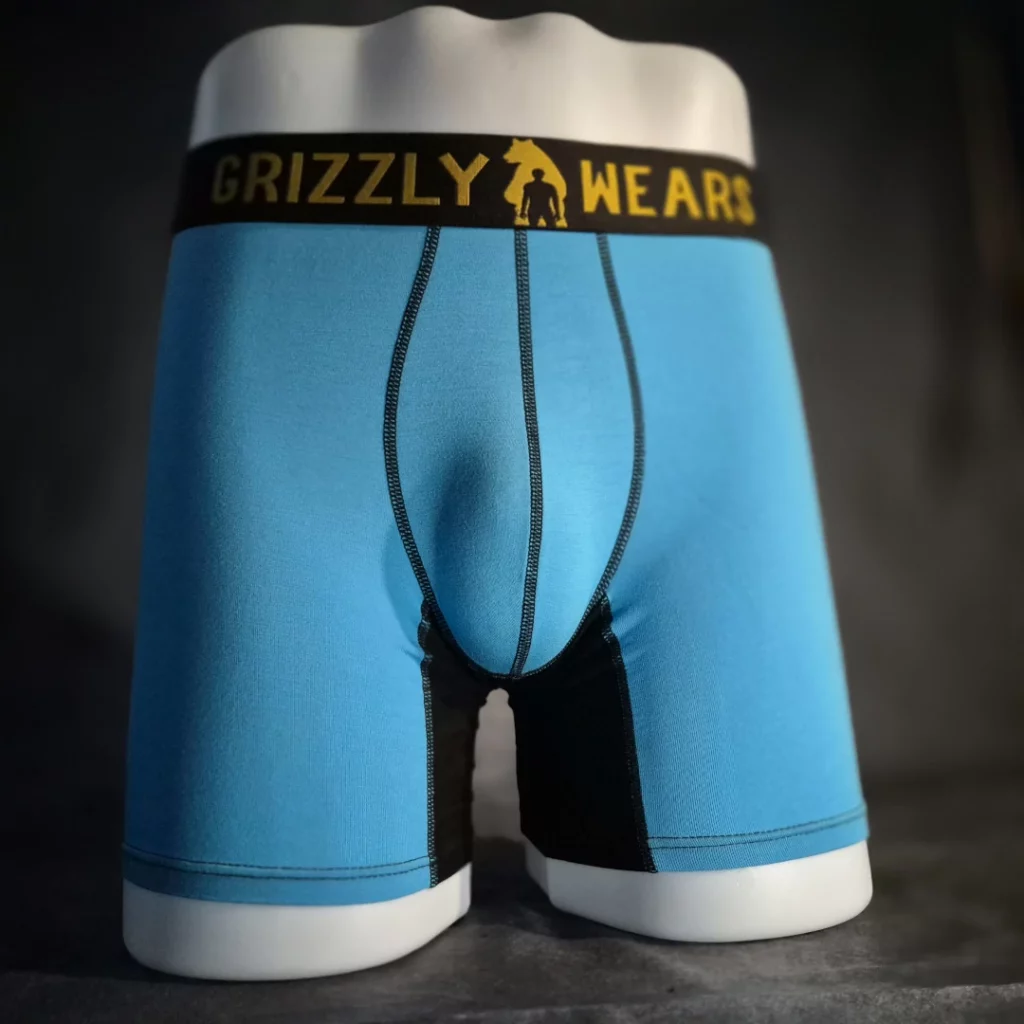
    Grizzly Wears Boxer Shorts have been developed to reduce friction and give maximum comfort. They truly are the best boxer shorts for cycling. When used as a layer between your shorts/padding and skin they are so comfortable and smooth you will forget you’re even wearing them !

    Zero Friction by Nature

    Firstly, because Grizzly Wears Boxers are made from super smooth bamboo, they naturally reduce chafing. This incredible fabric is softer than silk whilst remaining incredibly strong. Bamboo is a fantastic natural fabric with many inherent qualities that make it perfect for this application.

    Importantly, bamboo is breathable but a great thermal regulator. It stays warm when the weather is cold and cools when the weather is hot. This makes our boxers fantastic for all seasons. As there is current ongoing arguments about how much of the antibacterial qualities of the plant remain when it is turned into a fabric we would not claim any antibacterial properties. However the fibres do not retain odour like polyester can. This makes bamboo products easy to wash at low temperatures. They also resist picking up odours and are ideal for longer adventures where you may not get chance to change every day.

    Lastly, bamboo fabric resists stretching. I’m sure you have got to the end of the day, taken off your boxers and found the fabric has stretched to a larger size. Bamboo retains its shape and support all day long.

    Engineered to Perfection

    In addition to the fantastic features of bamboo, these boxer shorts have flat seams everywhere. Having flat seams removes usual points which can cause areas of discomfort, especially when you are working hard and sweating. Furthermore, by carefully placing seams in the right locations we have removed the risk of the legs riding up and causing issues. The last thing you want to happen when you start riding is to find your underwear is uncomfortable shortly into a ride. This can definitely make a good ride less enjoyable. And I’m sure you’ll know once the issues start they only get worse !

    Ultimate Quality

    Every pair of Grizzly Wears is made to the highest standards. When designing these boxers, every aspect was considered for all day comfort and no expense spared. The craftsmanship really is top level and they are built to last. Choose a pair of these boxers if you want guaranteed comfort. You don’t have to wear them exclusively for cycling. Capable of performing well for every activity and daily life these can be your new default boxers to use all the time. Once you grab a pair of Grizzlies, you’ll never want to go back !

    Best Boxer Shorts for Cycling

    Grab a pair of the Best Boxer Shorts for Cycling

    Visit my shop and pick up a pair of the best boxers now. You can also drop by and feel them for yourself at the National Cycling Show.

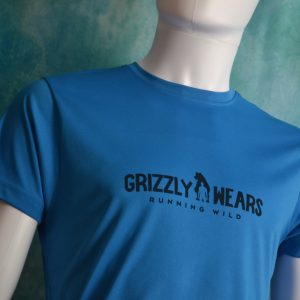
    Also check out my T-Shirts, there are cotton and 100% recycled polyester available. Great for the planet, the Gym and the Pub !. See the full range of Sustainable Bamboo Running Clothes

    Finally for more tips about Cycling, Running, General Adventuring, check out some of the other posts on my blog

  • Why we choose Bamboo for Boxer Shorts

    Why we choose Bamboo for Boxer Shorts

    Bamboo is a fantastic fabric. It has many great properties that make it excellent for the right applications. Furthermore there are great reasons why using Bamboo over other fabrics can help the planet too. Here are the reasons we choose Bamboo for Boxer Shorts.

    A Superior Product

    Firstly, bamboo is a very premium fabric. We believe it is worth the cost for a long lasting, hard wearing, good feeling product. By choosing bamboo the main features we inherit from the fabric are:

    • Extremely soft.
    • Incredibly strong.
    • Odour Resistant.
    • Easy to wash.
    • Renewably sourced material.

    In summary this means Grizzly Wears boxer shorts have a higher tensile strength than steel but remain softer than silk. This is an important factor for comfort, especially during sports because the boxer shorts reduce friction and eliminate chafing. Being naturally odour resistant and easy to wash means they can be washed with less water and energy than other materials. Essentially, this all adds up and makes a difference over the long lifetime of the boxers.

    Choose Bamboo for Boxer Shorts - Contains Natural Products
    CCCC

    Sustainability

    Although Bamboo is not a perfect material to produce and does have negative effects, I strongly believe the positive impacts of using bamboo in fashion outweighs the negative effects. As much as fabrics claim to be “eco friendly” or we assume that they are, All seem to have downsides. Rather than overlook these effects, I prefer to raise awareness around them and make a judgement over whether the benefits outweigh the drawbacks. Being honest and upfront about problems means we are aware of them and can tackle them. Ignoring problems definitely does not make them go away. In previous posts I have written about sustainable balance and possible negative effects of using too much bamboo. This is something we should be aware of with every fabric.

    Secondly, being a natural fibre, bamboo can break down in landfill over time. As a long lasting product, they also help to reduce environmental impact as they do not require replacing as often. However when we look at the advantages of growing bamboo there are even more great benefits.

    • No Fertilizer or Pesticdes necessary.
    • Little requirement for water.
    • No need to replant after harvesting.
    • Helps to stop soil erosion
    • Consumes more CO2 per acre than trees.
    • Very fast growing.
    • Reduces Greenhouse gasses.

    In my opinion, this means bamboo is a fantastic resource in the battle against climate change. As I have said before, it is all about balance. By using bamboo for things which it is good at, we can create better products which go towards helping the planet.

    why we choose Bamboo for Boxer Shorts - Bamboo Forest

    To summarise why we choose Bamboo for Boxer Shorts

    Keeping this fairly short and not too long, we definitely make a better product. In the process we help the planet. There will always be two sides to every story. Google has a great way of presenting both sides of an argument if you search for the correct terms. I try my best to look at both sides with a balanced view and create a product range that follows.

    Lastly, be sure to check out Mens Bamboo Boxers and other items in my Online Store.

  • Zero Waste T-Shirts

    Zero Waste T-Shirts

    Sadly in this day and age, a claim of “Zero Waste T-Shirts” is very bold and usually not entirely true. When it comes to the Grizzly Wears Recycled Range, they actually divert waste.

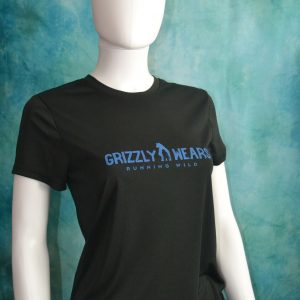
    Each of our T-Shirts contains an average of 8 plastic waste bottles. The exact number varies on size but 8 is roughly correct. This means, for each tee sold, waste is diverted away from landfill and reused. Furthermore, as everything in our recycled range is 100% polyester, it can be recycled again !

    Why Recycled Polyester ?

    Recycled Polyester is a great tool in the battle for climate change. A large portion of clothing uses polyester. By recycling rather than creating new we save energy, reduce landfill waste and contribute to a circular economy. As I have mentioned in many other posts on my blog, polyester has unmatched properties. These characteristics make polyester great for sportswear. It is breathable, dries quickly, easy to wash and soft on the skin. Having these properties are what has led to the large market demand and growth of this fabric.

    Polyester is not degradable, biodgradable or compostable. To reuse existing polyester instead of new helps to reduce landfill waste. By only using 100% recycled polyester we ensure that our products can be recycled in the future. Although technology to recycle blended fabrics exists, it is not easy to access. This is the reason we avoid blends like polycotton. Furthermore, as we move forwards as a business, work is being carried out to provide a service where we take used clothing and have it recycled for you. This is something I would like to encourage people to do and would like to offer discounts in exchange for used items. Looking further ahead, it would be good if we can take in other brands of clothing for recycling but the problem is that we could just end up with a large amount of waste we need to pay to send to landfill.

    Is this really Zero Waste ?

    Absolutely. And even better it is waste reducing. Firstly, they are made from otherwise waste material, post-consumer or industrial waste. Secondly, any offcuts are fed back into the start of the cycle. Lastly, when a product has reached the end of its usable life, we will ensure it is recycled again. By contributing and making products in a circular economy, we push this method forwards. By producing items from recycled polyester we create more demand for it.

    Finally, if you haven’t already, take a look at some of the sustainable clothing in my store, and follow me on Instagram for latest news and updates !

  • Recycled Polyester Sportswear

    Recycled Polyester Sportswear

    The Grizzly Wears Recycled Polyester Sportswear range is a core part of our line up. Whilst we grow as a business, this range will grow with us. I see this range as an important part of our journey to a more sustainable future.

    Grizzly Wears Clothing Recycled Polyester Sportswear

    Why is Recycled Polyester so great ?

    Firstly, this fabric is great. Each T-Shirt is made from about 8 plastic bottles worth of plastic waste meaning we prevent that waste going to landfill. Not only does it mean we have less requirements for virgin material to be produced from oil but we reduce landfill waste that takes a long time to break down. Both important points in the battle to save the planet.

    And secondly, this is a great performing fabric for technical clothing. It breathes well, it is soft and smooth. It dries quickly. We sacrifice none of the performance we are used to as we gain so many benefits.

    Polyester has become the dominant fabric of the sportswear industry. It is good for running, cycling, the gym, hiking, walking. You name an activity and there will be a polyester garment designed specifically for it. This is due to the particular balance of properties it provides. Along with an industry scaled to meet demands.

    Is there no better, natural alternative ?

    Few natural fabrics have the properties of polyester. There are a great number of natural fabrics being created. The issue we face is that they are costly, in short supply, hard to get hold of. Recycled polyester is more widely available. Although it isn’t the ultimate solution it is one step in the right direction.

    The main advantage is that it doesn’t take up land, natural habitats or limited resources to produce. It is made entirely of a waste product. In addition it requires much less energy to produce. We should look ultimately towards natural solutions but use what we have in the mean time. We have a lot of plastic waste.

    I hope that is Recycled Polyester Sportswear !
    Exploring the natural world (Probably wearing Polyester)

    What about when it reaches the end of it’s life ?

    Because Grizzly Wears only uses 100% recycled polyester, it can be easily recycled again. When polyester is blended with another material, the process of recycling becomes harder. In addition there are limited places which can process this. By sticking to 100% polyester and nothing else, we have a product range that is recyclable again.

    Currently, I am looking in to services to have this range recycled but do have the possibility of sending clothing to people in need. If you return this range of clothing to us in the future, it will be dealt with in the best way possible. We may even give you money off some new clothing for doing so.

    Clothing wears out, fashion changes. Make new clothes from old ones. Check out my Shop to buy the latest items available and send them back once you’re finished.

    Are there any downsides ?

    I am yet to discover a fabric that has no downsides at all. Recycled Polyester is no exception and I see the biggest problem as being microplastics. this is a problem we all have to tackle by washing clothes less, for a shorter time and at a lower temperature. Filters are available for your washing machine from Planet Care. Scientists are working on identifying plants that can remove microplastics from our water. Even though this is not perfect, the advantages do outweigh the negative effects. Polyester is something we just have not found a natural replacement for yet.

    Recycled Polyester Sportswear in Conclusion…

    As polyester is an engineered fabric which performs like polyester, a natural replacement is not easy to find. For sportswear, most people will demand a level of performance. And also have a limited budget. Utilising recycled polyester lets us create high performance clothing and meet the performance and price requirements that you have come to rely on.

    Choose 100% recycled polyester and take steps to a more sustainable future. This is one of our tools to fight climate change in the fashion industry and maybe one day we will tip the balance more in favour of recycling. One day we may create a closed loop eco system of infinitely recyclable polyester. Read about how its used in our Sustainable Bamboo Running Clothes

  • How Sustainable is Recycled Polyester

    How Sustainable is Recycled Polyester ?

    In many of my previous blogs I mention Recycled Polyester. Here I will go into more detail and try to explain how Grizzly Wears Clothing went down that route. Most importantly, answer the question How Sustainable is Recycled Polyester ?

    How Sustainable is Recycled Polyester - Image from Condor Ferries
    Plastic waste in the Ocean

    I’m confident everybody is familiar with images such as this. These days they are all too common. This is a good thing for raising awareness. Also a terrible thing that parts of our planet have come to this. Firstly this is a great starting point in the lifecycle of recycled polyester. To look at plastic waste like this as a valuable resource encourages companies to remove it. 14 million tons of plastic waste end up in the ocean every year.

    Where is Recycled Polyester sourced from ?

    Recycled Polyester is mostly sourced from industrial waste currently. But it is also harvested from the seas and oceans. It can also be collected from your recycling bins.

    Virgin polyester is produced from oil. Oil being a limited resource that does no harm when left where it naturally occurs but so valuable we float buildings out to sea and drill miles down into the earth to collect it. We then load it into ships and transport it miles around the planet for processing.

    In conclusion, plastic waste sitting on the ocean floor or floating on top of the water must be much easier to collect. This waste is in the chemical state required for it to be used. Importantly it can be turned back to a raw material requiring less energy than producing virgin polyester.

    Turning polyester back to a raw material means it has to be cleaned, shredded, formed into pellets and then spun into fibres. These four steps are much easier than producing it from oil.

    Why is all Polyester not recycled then ?

    Currently, global industry is more optimised to produce new polyester than recycle it. However, this can be changed by consumers. Actively seek out recycled polyester and buy those products. Brands will go more towards using them if they sell more. Industry will have to realign to produce more recycled polyester than new. As a consumer you have the choice to change this.

    Additionally polyester degrades each time it is recycled and requires new material to be added. This new material does not have to be from oil as we can break down polyester to compounds and reform it. Leading the way to a closed loop system.

    Money plays a big factor in business. Companies seeking maximum profit will use virgin polyester. Although a more complex process to make, it is done on a huge scale. This huge scale operation means virgin polyester is cheaper to produce. The effect is companies have less incentive to use recycled. As we see use of recycled over virgin polyester increase, the costs should decrease. When recycled becomes cheaper than virgin polyester there will be a big incentive for businesses to switch. In addition the plastic floating in seas and oceans will become more valuable. Post consumer waste such as plastic bottles will be less common in landfill.

    That would be a great achievement to look forward to. And it could happen.

    How Sustainable is Recycled Polyester. A beautiful seascape
    Beautiful, clear seas

    What about microplastics ?

    Microplastics are still a problem. They get into our water, soil and foods. With help of current research, plants which consume microplastics such as eelgrass and oyster mushrooms are helping to tackle the problem. Thousands of microplastics are released every time clothing is washed and make their way out into the wider world.

    Being found in a wide variety of wildlife and sea creatures, microplastics are a danger to other animals. Recycled polyester will release just as much microplastic fibres as virgin polyester. I don’t know of a way this can be prevented other than more research into plants that can remove them.

    Organic fabrics such as cotton, hemp or bamboo do help relieve problems created by polyester but for the foreseeable future it looks like it is here to stay. This is why we need to be more responsible about how we use polyester and recycle rather than create. These natural fabrics definitely do not perform as well as polyester in sportswear and that is the problem. Removing plastic from the environment is a great step along the way. Hopefully as time moves on, there will be an effective solution for removing microplastics for good.

    In the meantime if you want to try and relieve the problem a little, why not try filtering the water coming out of your washing machine with a microfiber filter from https://planetcare.org

    In conclusion…

    The bottom line is with current fashion trends for athleisure type clothing, polyester is an unavoidable material. Impact can be lessened by switching to recycled over virgin. Consumer demand still grows and so does production. How Sustainable is Recycled Polyester ? In my opinion it is a huge step in the right direction. Furthermore we are only getting better at recycling and we need to keep going that way. Recycled polyester is a great tool in the battle to tackle climate change.

    If you like this blog and found it helpful and informative, support me by buying my sustainable clothing and help me feed into closed loop recycling !

  • Why is Sustainable Clothing Expensive

    Why is Sustainable Clothing Expensive ?

    As many consumers become more eco-aware and move towards more sustainable clothing, why is it not cheaper ? A very valid question in a world that is moving to a more sustainable future. Importantly, we have to develop better habits and practices going forwards. The fashion industry is just one key part of what we need to improve. So, Why is Sustainable Clothing Expensive ?

    Until recently, sustainability has not been a key factor in clothing. Furthermore, sportswear in particular, is dominated by comfort and performance. This creates a challenge in finding natural fabrics that can compete with man made fabrics which have been engineered to have specific qualities. A fabric that boasts true sustainability is rare to find but there are some out there. This leads Grizzly Wears Clothing to a crossroads, two paths to follow, so which do I choose as a business. The choices are; lower cost but a little more sustainable; ultimate sustainability but higher price. But firstly lets cover the reasons behind the price jump.

    An industry set in its ways.

    Quite possibly the biggest factor. The fashion industry, like many others, is built on economies of scale. Having a strong reliance and market demand for fabrics that were, revolutionary at the time means production followed. As manufacturing scaled up and got more efficient with one factory competing against another, prices dropped. The cost of a lot of these fabrics remains relatively low. For example, recycled polyester is double the price of virgin polyester currently. In essence, demand for recycled materials has not yet reached a level where production is at a level to reduce cost. Although, this is happening. With more brands switching to more sustainable fabrics, production is increasing. This is a good thing and a step in the right direction.

    Market demand drives positive change. As a consumer, now is the time for you to look out for greener clothing. By making the decision to spend a few seconds looking for that “recycled” key word on the labels of what you choose to buy, you are pushing in the right direction. This is the way.

    A new hope for the industry is on the horizon. With many innovative ideas coming to light, making use of otherwise waste material is a great way to restore balance. At this time we should be less reliant upon limited resources and looking towards renewable materials.

    More Sustainable = More Cost

    If you have read some of my previous blogs, you will know, I like to look at sustainability as a balance. Essentially, I see not all materials are equal. Each one has ups and downs. As a lot of the top tier fabrics cost more, More Sustainable means a Higher Price. However, there is a happy medium. By creating more clothes that are more sustainable from fabrics which do not cost extra, more people can afford sustainable clothing.

    If something is exclusively priced a lot of people do not have the money to buy it. For example: A T-Shirt is £1000 but completely sustainable, 1% of people can afford it. The overall impact is minimal. On the other hand a T-Shirt is somewhat sustainable, it costs £20, 90% of people can afford it. This gives greater impact. Although it is a bad example because T-Shirts are typically cotton which is highly sustainable.

    To conclude, we must look at the bigger picture. Think about the number of products which can have an impact, not just the impact per item. By taking this approach, Grizzly Wears Clothing tries to give greatest impact now and get better in the future. We are not perfect but see where there is room for improvement.

    Where can we improve ?

    There are many ways we can improve. By openly admitting we do not do everything perfectly, we can begin to take steps in the right direction. Some steps cost money. Some take time and work. Typically we are no different to other businesses apart from trying to be more honest. Starting from a strong position and doing as much as possible sets Grizzly Wears on the right path for the future.

    Going forwards we will push in the direction of greener materials. Our carbon footprint will come under closer inspection and be offset where possible. Currently, this is hard to measure. It takes time and resource which is not available but is a priority.

    Areas of improvement do not only apply to us. Every clothing business, no matter the size will need to get better. To survive in the future we must move towards greener shipping and adopt more sustainable fabrics.

    So… Why is sustainable clothing more Expensive ?

    The main reason is the scale of production. Some technologies are still in early days and not driven by economy yet. With rising costs of energy and fuel this applies to all clothing. Although we aim to be 100% sustainable, we recognise cost is a big factor. Furthermore when we look with an open mind at what is available at a price point, options are narrower. But they do exist. Every day more options open up.

    Support me in bringing the cost of sustainable clothing down by visiting my shop. By buying my clothing and bearing the Grizzly Wears name, you are helping me to research more fabrics, explore more options. And importantly, bring these new products to market.

    Sustainable clothing is more expensive, it won’t always be if we invest now.

  • Zero Gravity Boxer Shorts

    Zero Gravity Boxer Shorts

    Whilst developing Grizzly Wears Boxer Shorts to work incredibly well for all sports, I realised I had created Zero Gravity Boxer Shorts. This is a completely unsubstantiated claim and has not been tested. At this moment. My supporting theories definitely hold up well. The laws of physics do suggest I am correct.

    In the event anybody has a trip to space or a flight on the vomit comet booked. I will send you free items in exchange for photographic evidence to support this claim. Until disproven it must be true. Results of testing carried out by Grizzly Wears Boxer Shorts owners, that I can publish to back up my theory will be rewarded.

    Presently, you can get a pair of zero gravity boxer shorts in my online store.

    What is the theory ?

    My theory is that Grizzly Wears Boxer Shorts keep you supported in Zero Gravity and prevent “fallout”. This is a very simple explanation. Don’t fear, the long complicated version is coming.

    Firstly, every action has an equal and opposite reaction. When contents of your boxer shorts try to float away (an action) they are met with the elasticity of the bamboo fabric (reaction). With mass of the average underwear cargo being 190 grams: (2 x 15) + 160. This is not enough to overcome the gentle but firm spring back action of the fabric. Additionally, for the purposes of this theory, I calculate the average contact surface area to be 38cm². This may seem like a lot but it is average. 1 inch square is equal to 6.54cm². Furthermore, with increased mass there is increased surface contact resulting in a greater push back effect. Leading to the conclusion that size doesn’t matter. At least we’re led to believe this is true.

    Secondly, entering a reduced or zero gravity environment results in weight (not mass) being reduced. As spring back remains a constant force, its effects are maximised. Under those circumstances, when you need it most, Grizzly Wears Boxers will keep you more supported, safe and secure.

    If gravity increases, what happens ?

    On the contrary to effects of zero gravity, there is the opposite effect when gravity increases. This could be centrifugal force from an aggressive manoeuvre. My theory has not pin pointed the exact point at which cargo weight overcomes spring back. Elasticity is intended to be comfortable without restriction under normal operating conditions.

    The average person becomes unconscious at 5G. If we take the previous calculated average mass of 190g and multiply it by 5… 5 x 190 = 950. Carrying 950g in your boxer shorts is not advisable. I am indeed confident that Grizzly Wears Boxers can take this strain. The tensile strength of steel is 247MPa. Bamboo fabric used to construct zero gravity boxer shorts is 262MPa. Meaning you are safer and comfier in a pair of these than encasing yourself in steel.

    What about Black Holes ?

    Uncertainty around what happens in black holes makes this hard to theorise. Knowing that there is a stretching effect coming in to play when crossing the event horizon adds a new level of complexity. Coupled with the extreme compression inside a black hole, this gets even harder to calculate. Too many factors are at play for me to predict what will happen accurately. Objects may appear smaller in a black hole. This is due to extreme gravity and cold. Be sensible, stay safe and don’t be sucked into a black hole.

    Zero Gravity Boxer Shorts - Image courtesy of NASA
    A Black Hole

    For more information on black holes you should absolutely check out Professor Brian Cox. Definitely not me.

    What else is good about your boxer shorts ?

    Grizzly Wears boxers have many great features. They are sustainable, responsibly sourced, made from Bamboo and seamless. In essence they are great for any activity, even space walks.

    Pick up a pair of Grizzly Wears Boxer Shorts and take them on all your adventures. You can rely on them to stay supportive and comfortable all day long. Soft, smooth bamboo fabric reduces all the friction where you want no friction. Zero gravity compatible and zero chafing. Henceforth, no matter what activity you’re doing, we’ve got you totally covered !

    Testing Zero Gravity Boxer Shorts

    Finally, if you have an experiment to test the performance of a pair of Grizzly Wears boxers, I would love to hear from you. Please fill out the product tester form, mention zero gravity in the description and I’ll be in touch. Remember we need the evidence to prove the science. Help me prove that natural fabrics can have super powers.

    Lastly, as always, support me by buying the products in my online shop.

  • Can Bike Cleaner Clean Shoes ?

    Can Bike Cleaner Clean Shoes ?

    Riding mountain bike in the UK often means you will get plastered in mud for at least 11 months of the year. It isn’t good to put your bike shoes in the washing machine constantly. What are the consequences of giving them a heavy dose of bike cleaner and a quick rinse ? Can Bike Cleaner Clean Shoes ?

    For the purpose of this test I used my favourite bike cleaner. Peaty’s Loam Foam. Not only is this stuff great because it’s super effective and reduces bike cleaning effort. It is also eco friendly. The spray bottle is a great design. You can pick up a cheap concentrate refill to keep topping it up too. I’ve tried a few other bike cleaners but because of all the boxes this one ticks, it is my current favourite.

    Peaty’s Loam Foam – Matches my Bike !

    After a quick rinse with the hose pipe followed by a quick covering with loam foam to get the stubborn dirt. I like to leave the foam to dwell for a while. Finally followed by a good blast with the hose to remove the remainder.

    Getting my shoes dirty.

    Firstly I had a good ride, got my shoes loaded up with mud. As per usual. I strongly believe with mountain biking that if you don’t come home covered, you aren’t doing it right.

    Can Bike Cleaner Clean Shoes - my muddy shoes !
    Shoes prepared for cleaning

    The Wash Cycle

    Secondly, I gave my shoes a good coating of Peaty’s finest product. Then I gave it a few minutes to do its thing, soak in, loosen that mud.

    Can Bike Cleaner Clean Shoes - Foaming Action
    Foaming Action

    The Revealing Rinse

    Finally, I turned the hose back on my shoes and gave them a good rinsing to wash away that biodegradable foam and the mud with it. Look at that effortless finish. Saved water, detergent and the washing machine by throwing my shoes in it.

    Can Bike Cleaner Clean Shoes - Amazingly well it turns out !
    Good as new !

    I won’t lie, cleaning my bike shoes is probably the last thing on my mind after every ride. They quite often get left plastered because its only going to happen again. However, this is probably the cleanest they have been since new and it took me 2 minutes whilst cleaning the bike anyway.

    So Can Bike Cleaner Clean Bike Shoes ?

    100% Yes. Is it a good Idea and will it damage your shoes ? I’ve no idea. I could probably do with a new pair anyway as these have had years of use. I wonder what else I can clean with this miracle stuff. Next time I will try doing the laundry with it !

    As usual, If you found this useful, informative and possibly the answer to a question you never asked, please support by visiting my shop. If you tried this out and found it works miracles, drop me a comment. If your shoes dissolved, I take no responsibility. For updates and news check my Instagram.

  • Bamboo Running Clothes

    Bamboo Running Clothes

    Approaching everything with a balanced point of view, Bamboo Running Clothes are no exception. I test a lot of fabrics. Firstly because it helps to identify where they are best used. And secondly, you wouldn’t build a bridge from jelly (jello in the US).

    What does fabric for running have to do ?

    Fabric used for high intensity activities must perform highly. I treat running as a top tier activity demanding highest levels of performance over a long time. Importantly this makes running our go to activity when it comes to initial testing. When fabrics pass the running test it means they are good for almost anything.

    Bamboo is what I would class as a nearly there fabric. The features that make bamboo great are…

    • Very strong.
    • Incredibly durable.
    • Super soft.
    • Retains heat when wet
    • Regulates temperature
    • Antibacterial (Open to debate)
    • Odour resistant
    • Moisture wicking

    There is one attribute that prevents me from using this fabric for running. It does not dry fast enough. When real world testing products, t-shirts made of bamboo tend to absorb sweat and not let go. This means as you run and sweat the t-shirt gets heavier. With a t-shirt covering a huge surface area, its job is to remove heat and sweat. Furthermore when running, lighter is better. However, I am not finished with bamboo for t-shirts forever, when time permits there will be more testing around bamboo-cotton blends.

    Lastly the industry standard for running t-shirts is Polyester. As a business I can not make an inferior product which has this setback. There are other brands who are happy to sell bamboo running t-shirts but I don’t believe it is the optimal use for this fabric.

    What is the optimal use for Bamboo in Running clothes ?

    Boxer shorts.

    Bamboo Running Clothes - Boxer Shorts
    Grizzly Wears Bamboo Boxer Shorts

    When used to create underwear, all of the positives of bamboo really come into play. The softness and smoothness reduces friction, they hold their shape really well. They give support. Boxer shorts made of bamboo are so good for running you forget you’re wearing them !

    Finally, you may wonder why the drying issue isn’t a problem here. Using a lighter weight of fabric prevents as much sweat being absorbed. The main job of the underwear is to provide comfort and support rather than transitioning the heat and sweat away.

    Underwear made of polyester is far less comfortable than bamboo. The fabric is rougher and not as comfortable over a longer duration. Cotton tends to lose its shape and not spring back like bamboo does. Meaning Polyester and Cotton can lead to uncomfortable chafing. Bamboo does not chafe even when wet and after hours of running, retains its shape as if fresh out of the washing machine.

    Will there be more Bamboo Running Clothes ?

    Yes. I will keep testing blends of bamboo to find the best solutions. Already looking towards shorts. Still searching for an optimal blend for t-shirts.

    As I said earlier Bamboo is a great fabric. In addition it is eco friendly and sustainable. It is part of the longer term Grizzly Wears plan. Using a range of fabrics over the entire catalogue is how I will balance sustainability. As time goes on I will update this blog with my findings.

    Help support me to do more research into alternative and sustainable solutions for sportswear by buying some of my current products.

    T-Shirt sales do help and the money goes towards research into new and exciting sustainable materials and how to use them best in the future. To see some of these great, innovative fabrics created by hard working, clever people who think outside the box become mainstream would be fantastic.

    Lastly, check out my Instagram and follow me for updates and news !