Blog

  • Affordable Sustainable Clothing

    Affordable Sustainable Clothing

    Sustainable clothing is a fairly recent consideration. To make clothes affordable they are generally cheaply sourced materials and mass produced. This means affordable sustainable clothing isn’t always easy to find.

    Current manufacturing methods have evolved to be financially economic. Until recently, little concern was given to the damage caused. In the 1960s sustainable clothing became a concern but not for most people. Sixty years later and hopefully not too late, sustainable clothing is becoming an increasing concern for more people.

    What makes clothing Sustainable ?

    Firstly, truly sustainable clothing is a rarity. For clothing to be entirely sustainable it must be made of a material that has little risk of running out. Cotton and bamboo make great fabrics and help tackle the problems, as do recycled materials. In other posts I have gone more in depth about sustainability and use of these fabrics. I will keep this brief and avoid repeating myself through each article.

    To me, sustainability is balancing positive use of all the resources we have to reduce any negative effects. This means responsibly using what we already have. Making use of waste materials. Utilising natural fabrics which can be regrown.

    Lastly, buying longer lasting clothing and keeping it for longer has a huge impact. Making your clothes last and then recycling them rather than sending them to landfill is what you can do as a consumer.

    What makes Clothing Affordable ?

    To produce affordable clothing, manufacturers take steps to remove cost. This can include use of cheaper/less sustainable materials.

    Today there are a great number of very cheap clothing stores. Price does not always reflect quality or sustainability though. Some very good brands make exceptionally good products, the cost is not excessive and they are sustainable. However, you can also pay a high price for something unsustainable and cheaply made.

    Affordability is key to effectiveness of sustainable clothing in tackling climate change. Not only does the clothing need to work but it should be at a price where it can be adopted on a level that has an impact. High prices turn people towards cheaper, less sustainable brands. Making a handful of sustainable products with a very high price tag does not help. More people buying more eco friendly is better than one person buying the most sustainable product. Sustainability needs to be looked at on a global scale, not a single person basis.

    How can I find these Clothes ?

    Firstly, brands carrying good accreditations is a good start but not always definitive. Be mindful that some brands will not always be entirely clear about where they source. As a rule of thumb, look at what fabric the products are made from. With a little research you can find what is and what is not sustainable, some of these will definitely surprise you !

    Try to look at the bigger picture of sustainability. A lot of businesses now will offset Carbon footprint by planting trees. Offering recycling services is another great benefit. Being a small business it is hard for Grizzly Wears Clothing to commit to these but I am in the process of exploring these options.

    As for affordability, it comes down to what you, as a consumer are willing to pay. What is sustainability worth to you ?

    Lastly, we will all have to move to more sustainable clothing in the future. And learn better habits. Why not make the change now.

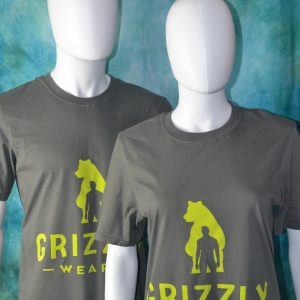
    This was a difficult topic to cover briefly. Keep an eye out for more in depth articles exploring this. If you like what I am doing, support my brand and buy one of my sustainable T-Shirts at an affordable price !

  • Sustainable Running Clothes

    Sustainable Running Clothes

    Leading up to the launch of my sustainable running clothes, I thought it would be good to explain a little more about them.

    Clothing intended for running tends to demand highest performance. For this reason I chose to start with running. Knowing that products not meeting my standards could likely still be used elsewhere in the range.

    A market need

    Looking at the current ranges of running clothing, it is hard to find items I would call truly sustainable. Many brands have sustainable ranges of “up to 50% recycled material”. To me this says “At least 50% unsustainable”. I don’t mean to be overly critical because some level of recycling is better than none. Some of these brands have been pioneers at developing technical clothing to the level it is at now. They deserve credit for that. What if I could increase the level of sustainability and retain performance.

    If a plant existed that grew like bamboo, was as easy to process as cotton but had the balanced properties of polyester this would be an easy task. Everybody else would be using it already. To my knowledge such a plant does not exist and so it was back to the drawing board.

    Polyester is the closest we have to perfection in terms of performance. The majority of clothing for running is made from polyester because of this reason. Virgin polyester is a harmful material. Firstly, being an oil based product it is inherently unsustainable. Polyester does require extensive energy and resources to be produced. It is also typically a single use plastic.

    What about Natural Fabrics ?

    There are some fantastic organic fabrics available. Each has their own characteristics. On the flip side, something is not sustainable just because it is grown. A plant growing in nature is different to the ones farmed for industrial use. When farmed, plants have often been selectively bred to give certain qualities. Furthermore it takes a lot of land to produce enough. Soil is losing it’s level of fertility leading to fertilisers becoming a necessity in farming. This is due to the same land being repeatedly farmed. In addition most crops require pesticides. Not great for the environment or local insects. And lets not forget bees !

    Bees are a species that the world could not survive without. Reducing use of pesticides and making more land available for bees is a good thing.

    Bamboo is a great crop. Requiring no pesticides or fertilisers make it much more eco friendly than some others. Soil erosion is helped by bamboo and it requires very little water. Consuming more CO2 than an equivalent plantation of trees is just another advantage.

    Producing bamboo viscose does however have disadvantages of requiring chemicals to break down fibres. The effect of these chemicals has not yet been studied in depth and therefore it is important to only source bamboo fabric from the most responsible suppliers. Lyocell bamboo replaces the chemicals with a mechanical process to break down the raw bamboo into fibres. This is a long and energy intensive process.

    Lastly there does not seem to be a natural fabric which does stand up to the performance of polyester clothing.

    Fabric Testing

    Refusing to accept virgin polyester as the only solution to make running clothes from I decided to test a number of other fabrics.

    Bamboo feels great against the skin, its biggest downfall is that it does not dry fast enough and holds on to sweat. Cotton is the fastest drying natural fabric. It still does not dry as fast as polyester and lacks a lot of the qualities of bamboo.

    By blending cotton and bamboo the result is still compostable and non toxic. Is this the simple solution I was looking for ? No. It is impossible to take the quick dry time of cotton and add it to bamboo to produce a fabric that ticks all the boxes. By mixing the two you end up with a compromise between them. This type of fabric although has benefits of both natural ingredients, carries the negative attributes with it too.

    I tried very hard to find the mythical easy to grow, easy to process plant that produces the best technical fabric. Unless somebody knows otherwise, I can confirm it is not real.

    After testing cotton, bamboo, combinations of both there is only one solution left. Refusing to blend natural with man made fabrics also means I cant combine polyester with bamboo. On the outside this seems like a good solution. The reality is a fabric you can not recycle and is not biodegradable.

    And the best Sustainable Running Clothes are…

    Recycled polyester !

    The best sustainable running clothes currently are made of 100% recycled polyester. Here are a few reasons why:

    • No Land is required to grow it
    • Water, Pesticides, Fertiliser are not required
    • 79% less energy is required than producing virgin polyester
    • Waste is diverted from landfill
    • Being 100% recycled polyester means it can be recycled again
    • All the properties of polyester are inherent

    It seems obvious when you know the answer. Because of this the Grizzly Wears Clothing current running products will be 100% recycled polyester. I will continue looking for alternative solutions. I have picked up and identified uses for other fabrics along the way. Polyester is a hard fabric to replicate. To conclude, this is why I chose to use it. I believe it belongs as part of a balanced range.

    Finally running clothing has many demands. Performance is number one. To create a successful range of running clothes the level of performance must not be compromised. By maintaining this and adding an aspect of sustainability we have created sustainable running clothes that are usable and sustainable.

  • What are the best Running Clothes ?

    What are the best Running Clothes ?

    Have you ever wondered what the best Running Clothes ?

    There are a number of key points when selecting the optimal clothing for running. These include performance, comfort, breathability, drying time and a few others. Briefly I will try to cover as many of these points as I can and give my point of view as a clothing designer.

    Firstly, I will be upfront and honest – I am not a good runner. I run slowly, cross country and get enjoyment from doing it but an athlete I am not.

    Performance

    Firstly, performance comes down to the properties of the fabric. Developing products for Grizzly Wears Clothing has given me opportunity to test many different fabrics. Some fabrics work better in different environments, different temperatures. All fabrics are not created equal. Although I like to use natural fabrics as much as possible, there does not tend to be a natural fabric that ticks all the boxes when it comes to running. Polyester is great in this application and the good news is it can be 100% recycled.

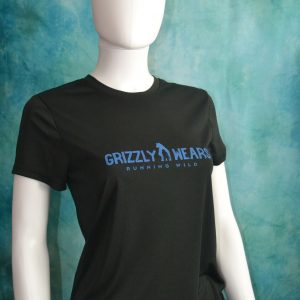
    Polyester is fast drying, wicking, breathable. It is the go to fabric for most sportswear for a reason. By using recycled polyester over virgin polyester it is also sustainable. All Grizzly Wears polyester products are made from 100% recycled polyester. The main advantage is that it can be recycled again. When polyester is blended with other fabrics it can not be recycled.

    Overall performance can also be measured on some of the other key attributes I’m covering. Running is an activity that demands a high overall level of performance from the clothing you are wearing.

    Comfort

    The most important factor. If clothing intended for running is not comfortable then it is no good. While the cut of the clothing can affect comfort, this again comes down to the fabric. softer, smoother fabrics are much better for running as they move with your body and glide over your skin. As a rule of thumb you should not be conscious of what you are wearing to run in, it should feel natural and unrestrictive. Providing a level of freedom !

    When comfort fails, so does your pace and stamina. There is nothing more demoralising and distracting than a piece of clothing causing irritation. Especially shoes, the best thing you can do is find a good local running shop who know what they’re doing and get the most comfortable pair of shoes fitted. I thoroughly recommend On Running for shoes. Personally I find them very comfortable but remember I put my feet inside them, not yours. You need to find the shoe which is best for your own feet.

    Socks do play a part but not as critical, your socks should allow movement (but not too much) of your feet inside your shoes without causing blisters. I like to run in shorts but haven’t really found they play a huge part. Definitely not as important as your underwear. Grizzly Wears Boxer shorts are perfect for me when running, they don’t ride up, they don’t chafe. Check out my Boxer Shorts

    Lastly is the top. This does seem to play a huge part in maintaining your core temperature. Remember you don’t want to be too hot or too cold. You need to find the goldilocks zone when layering and selecting long sleeves or short sleeves. The top you are wearing should enhance your bodies own ability to heat or cool.

    Breathability

    Breathability is how much air can get to your skin. You would not want to run in something like a bin bag because it would become very sweaty, very quickly. This will ultimately impact your level of comfort. 

    Bamboo is a great fabric against the skin as it is so soft and smooth. The downside is that its not fast to dry. However it stays warmer when wet like wool. Cotton also tends to get cold quickly when wet.

    Known in the industry as “Moisture vapour transmission” this is a very important characteristic of running clothing. When it comes to T-Shirts there is one clear winner of all the fabrics and that is Polyester. In terms of breathability it wicks and dries at a fantastic rate. Competing with this engineered fabric using only natural materials is a tough challenge. Although we strive to use renewable sourced fabrics in our clothing, we have not found the right balance to compete yet. By using 100% recycled polyester we reduce the environmental impact, have an infinitely recyclable product and also reduce energy usage. 

    For these reasons Grizzly Wears Clothing’s range of running gear currently uses 100% recycled polyester. This allows us to match the performance of most clothing but produce a product that is sustainable and does reduce environmental impact.

    So, What are the best Running Clothes ?

    The best running clothes are the ones which you feel comfortable and free. Breathability, Comfort and overall Performance play a huge role in best sportswear. We fully understand performance is the key player when it comes to running gear and will be investing time and money into researching alternative fabrics to launch new ranges. Having a focus on balanced environmental impact mean recycled polyester will remain in our range for years to come.

    To summarise, the aim of the clothing is to maintain the correct temperature. Be light, breathable and comfortable.

    Lastly running clothing should be durable and last as long as possible. Good quality clothing, kept for longer is a big part of sustainability. Running clothing should last for many runs and not be a disposable item.

    If you found this useful, be sure to check out the other articles in my Blog.

    And if you really love this, have a browse of my products

  • Running for Beginners

    Running for Beginners

    After throwing myself in at the deep end and running 5 marathons in one month from being in the worst shape of my life I thought I would throw together a quick Guide about Running for Beginners.

    Benefits of Running

    Running is free, it requires only a pair of shoes burns more calories and you can do it anywhere. Health benefits of running are absolutely fantastic. Risk of long-term illnesses are reduced. Mood is definitely boosted and you can even lose weight without changing your diet. This is aimed at new runners who want to stay in shape or improve their fitness but are a little unsure of where to start.

    Wanting to run for fitness in another activity, it is a great Idea. However, you should try to fall in love with running as an activity in itself. This will keep you motivated and get you up and out more. When running for any other purpose it is easy to treat it as a necessary evil. Make effort to push yourself but not to the point of hyperventilating or breathing hard. This is too far, especially as a beginner. The last thing you want to do is spend a lot of money on some great new running shoes and give it up after 2 miles.

    My relationship with running

    Over my life, I have taken up running a few times. Where I personally went wrong was immediately trying to run with others, trying to go too fast, running for a different purpose. This time I learnt to embrace running as an enjoyable activity of its own. This was definitely a game changer for me. In just 2 weeks I felt mentally and physically better. Furthermore I raised a significant amount of money for a great charity. Lastly I would be lying to say I didn’t develop a love for running.

    In my head I had a lot of excuses as to why I don’t run, including but not limited to

    • Broken left foot
    • I’m just not built for it
    • Back pain
    • I get shin splints
    • Broken right leg
    • Don’t have time
    • Need to walk the dog

    When facing reality none of these were actually an issue. By throwing myself in at the deep end and signing up to run further than I thought for charity I made myself get out and run. My challenge was to cover distance over a month. I picked a distance that I thought was a challenge but achievable. Motivated not to run in bad weather I got out while the weather was good and did my month’s distance in only 10 days. I carried on running to almost triple my intended goal. My advice is not to do what I did, I was lucky to not pick up an injury !

    Before you start…

    If you haven’t been active for a while you may want to go really easy. Gently build up your fitness with walks to get you moving. Remember this is not a race and the only person you are competing against is yourself. Little improvement weekly is all you should be aiming for.

    The best thing you can do to reduce some of the pain and add a level of comfort is get fitted properly for a new pair of running shoes by an expert. Without doubt these are the best investment. Shoes do weaken and wear out over time. Experts recommend replacing your shoes every 300 to 400 miles.

    Make sure to plan your runs, if it was too hard try running slower or for a shorter distance. Find a comfortable level and increase gradually from there. Planning your runs helps you stay motivated and helps to keep you going.

    If you feel any new pain that causes concern or have health issues beforehand you should consult a GP for advice.

    Starting Running for Beginners…

    Enjoy the experience and avoid injury by starting slowly. Ease yourself in gently and gradually. It is no use to exhaust or injure yourself on the first outing.

    I like to start each run by stretching and then a gentle warm up walk, you can run at a slow pace, march on the spot, whatever you feel comfortable with.

    When you start running you can always go back to a recovery walking pace, you will need to get your body used to running for longer durations and distances. This is something that will take work and you’ll need to build over time. Some days you will feel amazing and what to just keep going, others will be a struggle.

    It is better to run 2 or 3 times in a week than to run 7 days and not again for a month. Consistency is key here. Try to make a running routine and stick to it as much as you can. Couch to 5K is good and works for some people but I found it just didn’t ever work for me.

    In Conclusion

    Running for beginners can be hard but will pay off if you can learn to enjoy running, stay motivated and lastly stay consistent.

    The things I found that help me run are:

    • Boost to my mental state
    • Improved fitness
    • Photos of what I see along the way
    • Using apps such as Strava to track any gains
    • Weight loss

    You may find a slightly different set of things that help you run but these are probably top for me.

    There are many great running clubs all over the country, If you want to gain a bit of confidence, advice and new friends these are great places to start. They can help get you out and running with other people regularly and help improve your performance.

  • What is Sustainable Clothing ?

    What is Sustainable Clothing ?

    Many people wonder what Sustainable clothing actually is. I may have a different definition to a lot of people but in simplest terms:

    Clothing made from renewable sources with little social and environmental impact

    There are several key words in this sentence that help to define the sustainable elements of the clothing. Firstly “renewable”, indicating that the raw material must be able to be regrown or recreated. Secondly “social” in reference to the impact on the people involved making it. Next “environment”, the area and ultimately the world. Lastly “impact”, the often negative side effects related to production.

    Sustainable clothing and products for that matter, should be made entirely of renewable materials where possible. There is definitely a scale of Sustainability and it is not always as clear as you initially may think. I have learnt many things through research and development of the Grizzly Wears Clothing brand. All materials have their positive and negative attributes. These attributes may be related to production or performance. Identifying as an outdoor/sportswear brand means that my products have to meet a certain level of performance. Traditional technical fabrics such as Polyester and Nylon carry a certain level of environmental impact…

    … Or do they ?

    There is no denying the impact of oil-based fabrics. Fabrics produced this way are not sustainable. They do require energy and resources to be produced, they are not biodegradable. However these fabrics are recyclable. When clothing reaches the end of its life it can be turned into pellets. These are used to produce more clothing. This is a Closed Loop or circular ecosystem. It isn’t perfect yet and requires new material to be added during the recycling. It does make use of waste products normally destined for landfill. Preventing waste going directly to landfill is good. Recycling that item to give it another life is great.

    Utilising recycled polyester over virgin polyester reduces energy consumption by 79%. Requirements for raw materials are reduced. Waste bound for landfill is reduced. Furthermore, less land is needed to farm organic materials. These are all great benefits to fabrics which, at first glance, seem unsustainable.

    organic fabrics, grown in nature

    So why use organic fabrics ?

    Natural fabrics are naturally more sustainable. They are biodegradable, reducing the need to recycle. On the down side they do require land, water, pesticides, fertilisers to grow. Due to over farming the soil is running out of nutrients to grow plants further creating need for fertilisers. These fabrics have certain performance qualities related to what they are made from. Often inferior to man made fabrics.

    Cotton is a fantastic material. It is biodegradable. It is comfortable. The human race has a 7000+ year history of producing cotton. Also recyclable. Cotton is the fastest drying natural fabric. I doubt anybody reading this does not own clothing made of cotton. Properties of cotton make it great for every day wear and light sports. When used for long, high intensity cotton does have limitations. This is where making use of recycled polyester becomes applicable.

    Bamboo also has great properties. There are two main types of bamboo fabric, the difference being mainly related to production. When raw bamboo is broken down via chemicals we get Bamboo Viscose. On the downside the impact of these chemicals is not fully understood. They can harm the environment or workers when proper care is not taken. Bamboo Lyocell is refined by mechanically breaking down raw bamboo. This method reduces need for harmful chemicals.

    When comparing cotton with bamboo fabric we need to look at the overall picture. Bamboo requires more refining. Cotton requires more resources to grow. Choosing a winning fabric between these two is difficult. Each has good qualities for certain use. Bamboo and cotton as raw materials are sustainable and renewable. They both need land to be grown. Cotton needs more land, more water, more fertiliser and pesticide. Most importantly, a balanced approach is the best way to view all fabrics.

    Can you mix fabrics to be sustainable and high performance ?

    Yes, and no. Firstly, mixing two natural materials will result in a biodegradable material. Secondly mixing a natural material with a man made material will result in a fabric that is not biodegradable or recyclable. Finally, mixing two man made fabrics means they can no longer be recycled.

    Aiming to produce products that are sustainable means we can not use blended fabrics unless both are biodegradable. There are a lot of brands who do this because it does give desired results. As a brand aiming to make only the most sustainable clothing this is something we can not do. If technology is developed to allow these fabrics to be recycled we will look towards using them. As far as I am aware this is not possible.

    So what is Sustainable Clothing ?

    Sustainable clothing is a balanced approach taken with an open mind and research.

    In conclusion, Grizzly Wears Clothing is built on honesty and balance. By identifying the qualities needed by an item of clothing, I source the appropriate fabric. If I can not make an item sustainably I will not make it at all. Lastly every fabric is chosen for its properties and environmental benefits.

    Grizzly Wears only gets one go at being a brand that never made an unsustainable product. By sticking to high sustainable, ethical and environmental standards I hope to lead the way. I see the way forwards as balance. Use all the technology we have to recycle and sustainably produce better clothing. Being transparent and giving the consumer facts about what I choose to make clothes from rather than only providing benefits to let people make a fair, balanced decision.

  • Are Sustainable Clothes Really Sustainable ?

    Are Sustainable Clothes Really Sustainable ?

    After spending a lot of time looking into sustainable clothing, I will give my answer to the question, Are Sustainable Clothes Really Sustainable ?

    Influencing the overall sustainability are a number of key factors:

    • Social
    • Ethical
    • Environmental

    I may write something later that looks into each of these key factors (and others) separately but for now I will try to keep this simple. I will try to give a good overall picture of my own view of current sustainable clothing based on my experience.

    The degree to which something is sustainable is not always a simple, Yes/No answer. Firstly the phrase “Sustainable” is not always used equally in marketing. Many brands/shops will claim a level of sustainability that is not accurate.

    Green fields and blue sky
    Green Fields and Blue Sky

    What does “Sustainable” mean for consumers ?

    At a consumer level, customers should be able to believe the marketing they are told. Although product descriptions are more accurate now than they have ever been there is still a level of discrepancy. Some of this is an honest mistake. However, “Sustainable” has become a marketing buzz word for some businesses. I am not going to name and shame other people’s livelihoods but I will give credit where it is due.

    Even with clear definition there is a certain amount of interpretation and difference of opinion. Furthermore, there are no regulations around use of the term “Sustainable” in marketing. In America you can not market a product as “made in America” when it was manufactured in China. However, there are no limits to claiming a product is sustainable although it contains single use plastic.

    As a consumer, what do I need to do ?

    As a customer you should take a sceptical approach to sustainable products. Don’t be afraid to challenge sellers about the claims they have made. If there is any substance behind the claims they should be able to back them up. If you want to be more responsible as a consumer, you do need to be wary. Try to educate yourself on materials and their impact. For every article you read claiming positive features there will be one claiming the opposite. Adopting a balanced, educated view and seeking better products is how we can address this issue.

    Importantly as a consumer, the most critical thing you can do is buy less and make clothing last longer. Recycle your clothing, give it to charity. Utilising the clothing you buy for as long as possible and then giving it a second life will have great impact.

    Sunrise - Force of Nature
    Force of Nature – Sunrise

    Is there not a perfect Sustainable Fabric ?

    No. Every fabric has positive and negative features through mass manufacturing. Cotton is intensive to grow but requires little processing. Bamboo is easy to grow but hard to process. Polyester doesn’t require growing but is made from oil. Using all of these fabrics appropriately is the responsible solution for businesses. Seeking more recycled fabric over virgin fabric is key to reducing environmental impact. Recycling uses less energy and resources than initial production. If brands utilise recycling more then manufacturers will have to step up to meet demand. Likewise, If consumers demand more sustainable products, brands will have to adjust to meet demand.

    When blending fabrics to create something better more issues are introduced. By blending a natural fabric with a man made fabric the result is often a single use, landfill destined product. Cotton is biodegradable, polyester is not. By combining the two to make polycotton the end fabric is not easily recyclable because it is impure and is no longer biodegradable.

    Wool is a very good natural fabric. It has some very good qualities, it does require keeping livestock to shear for the wool which has some level of impact. Demand for real wool in the current market is very low. Most wool is destroyed because there is no demand. Being very labour intensive, wool is costly to produce but makes very long lasting products.

    To answer the question…

    Yes. Truly sustainable clothes with transparent, honest marketing are sustainable.

    Sustainability is the bigger picture, the balanced approach. To evaluate the sustainability of a product as a consumer can be simple. The question to ask is “Will this still be in a landfill long after I am finished with it?”. If the answer is yes then the product is likely not sustainable.

    Finally, when brands gloss over negative effects of their products, this is Greenwashing. The effect of greenwashing is that consumers are misled into buying products which are not sustainable under the belief of doing the right thing. Adopting a balanced view, based on accurate research is how we tackle greenwashing.

    Leave me a comment if this was helpful. If you want to see how I balance the Grizzly Wears Clothing Range, have a look at my Website. Check out my Shop.

  • How to run for bike fitness

    How to run for bike fitness

    After almost 2 years of COVID isolation and lock down I decided it was time to boost my fitness. Starting from the worst shape I have been in for years. I pushed myself hard, it hurt. After only 10 days I felt physically and mentally better, ready to tackle 2022 head on. Also without realising I had decided to run for bike fitness.

    Firstly I would like to declare I am not a qualified fitness coach or personal trainer. This is about how I gave myself a huge boost in only 10 days. Starting every year I feel like I have lost the gains from the previous year. The excuses for not consistently riding and keeping up my fitness over every winter are:

    • Dark
    • Cold
    • Muddy
    • Wet

    Facing reality, none of these actually bother me a great deal. Pushing myself to get out despite these horrors leads me to having fun anyway. Every year I seem to repeat the same cycle. 2021 was especially difficult for me, I won’t go into that. This is about how I found motivation and drive for the future. Boosted my fitness in 10 days. Felt enthusiastic about getting on my bike again. Furthermore, learnt to enjoy running where I have never managed this before.

    Where do I Start ?

    Seeking a reason to run, I impulsively signed up to run 50 miles for Prostate Cancer UK. Signing up on 30th December and starting 1st January gave me little time for excuses. Having a good reason to get out gave me a lot of drive to succeed. Importantly I felt as though I couldn’t let them down. Because of this I was more determined to keep going through any pain. Realising there are two types of pain, without a doubt there is the pain you can run through. This is pain caused by your body improving and also adapting to the new demands you are asking from it. Nonetheless some pain should slow you down, make you take a break or rest. Undoubtedly you will feel the first kind of pain if you are starting from the same place as I did but coping and overcoming only makes you stronger.

    Starting on a Saturday meant that I had 2 full days to achieve some critical miles before 5 easier days when I couldn’t run as much because of work. This definitely made me chase as many miles as I could in the time I had. Running became a top priority and an enjoyment for the first time in my life.

    Lastly here are the things I wish I had worked out at the start:

    • The right shoes are worth it
    • Speed is not important at all
    • Focus on breathing and let it dictate your pace
    • Concentrate on smoother steps
    • Don’t push to the point of gasping for breath
    • Make time to stretch before and after
    • Duct tape is the best fix for blisters and hot spots

    The Run to Bike Fitness Plan

    Clearly, to say I had a plan to start with would be a lie, I had a rough daily distance to cover and a new found level of motivation. Either way what I did over the 10 days was along the lines of this:

    DayActivitiesNotesTotal
    1Run – 4 miles
    Run – 4 miles
    Skinned heels due to bad shoes on run 1.
    Fixed heels with duct tape, ran again.
    8 miles
    2Run – 6 milesMiles adding up already14 miles
    3Run – 4 miles
    Walk – 1 mile
    Walking helps to keep you moving and loosen up19 miles
    4Walk – 1 mileRest day but walk to stay loose20 miles
    5Walk – 1 mile
    Run – 4 mile
    Keep walking to recover
    Half way there now
    25 miles
    6Walk – 2 milesRest day with longer walk27 miles
    7Walk – 1 mile
    Run – 4 miles
    Keep going, keep walking, keep running32 miles
    8Run – 10 milesForget about speed, walk if you need to, just keep moving42 miles
    9Walk – 1 mile
    Run – 3 miles
    Get loose with that walk.
    Gentle 3 miles
    46 miles
    10Walk – 1 mile
    Run – 3 miles
    If you made it this far you should feel the benefit.
    Be proud of what you have done
    50 miles
    My rough guide to covering 50 miles in 10 days

    Did you get to the end ?

    Did you manage to run to bike fitness ?

    If you made it all the way through and feel ready to get back on your bike or gained a new love for running this is great. The mileage shown in the plan is roughly what I did but not exactly. You don’t have to complete every walk/run to the exact mileage. Importantly you don’t have to run fast. Distance and keeping going is where I found my fitness boost. Lastly if this helped please leave me a comment. Furthermore if you are an experienced Personal Trainer or Running Coach, I hope you haven’t recoiled in terror at this. After doing this I definitely gave my fitness and mental state a giant boost. Apart from this, I went on to further complete 131 miles (5 marathons) over 30 days.

    In Conclusion, please use this as a guide, adjust distances, durations and frequencies if you have to. The key to succeeding for me was forgetting about speed and just keeping moving. I was unquestionably in a better place than where I started after only 10 days. After trying Couch to 5K and finding it didn’t work for me I needed to concentrate on my own pace and not run to somebody else’s rhythm.

    Importantly, if you love cycling, mountain biking or running check out my online shop. My ever growing range of sportswear is absolutely sustainable and also environmentally friendly.